
Find products on Geo-matching.com

With over 1,200 products from more than 250 manufacturers, Geo-matching.com is the world’s largest product database for surveying, navigation and machine guidance equipment. Geo-matching.com offers a comprehensive overview of products including technical specifications, brochures, videos, case studies and peer reviews.


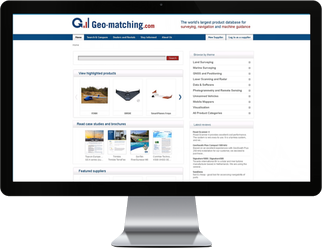
 Geo-matching is bringing together the highly valued GIM International and Hydro International product surveys all in one place. Geo-matching.com is the independent product comparison website for professional hardware and software for geomatics, hydrography and adjacent fields. We want to lead our visitors through the maze of specifications and give the opportunity to compare products of different producers, read up on reviews given by users, in order for each individual buyer to reach a balanced judgment. Geo-matching offers an impressive overview of 1200 geomatic and hydrographic related products in 32 categories.


